Fall Is When Nature Turns to Gold SVG
A Designer’s First Look: Warm, Whimsical, and Ready for Stitching
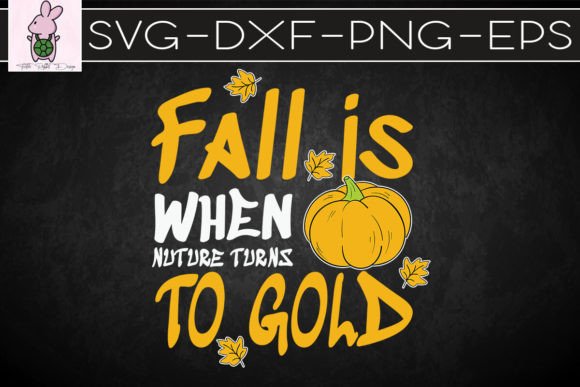
Opening Fall is when Nature Turns to Gold SVG feels like stepping into a sunlit forest path in early October—golden light filtering through maple leaves, crisp air, quiet reverence. The design isn’t overly ornate, but it carries intention: layered foliage, soft curves, and a gentle typographic rhythm that leans into the season without shouting “autumn.” As a machine embroidery designer who’s stitched hundreds of seasonal motifs, I immediately notice how this composition balances negative space with detail—critical for clean hooping and legible stitch execution. It reads well at 3–4 inches wide, making it ideal for a tote bag design, sweatshirt chest placement, or a centered pillow cover. Not too literal, not too abstract—it lands where handmade charm meets quiet sophistication.
How It Performs on Real Projects (Not Just Screens)
Last week, I prepped a custom embroidered tote for a local boutique’s fall launch—and used Fall is when Nature Turns to Gold SVG as the anchor motif. I digitized it for embroidery (yes, the SVG served as a clean vector base), chose matte gold and burnt umber thread, and stitched it on medium-weight canvas with tear-away + cutaway stabilizer. The result? Crisp satin-stitched leaf edges, smooth fill-stitch transitions, and lettering that held its shape without bleeding or puffing. Customers loved the warmth—not just the color, but the *feeling*: thoughtful, unhurried, grounded. That same file worked beautifully on a baby onesie (scaled down to 2.5″, with reduced fill density and lightweight stabilizer) and on a tea towel using a simple running stitch outline for subtle texture.
For Etsy sellers and craft business owners, this design fits naturally into several high-demand categories: personalized gifts (think monogrammed aprons with the phrase tucked beneath a name), holiday embroidery (perfect for Thanksgiving hostess sets or cozy nursery decor), and small shop merchandise (caps, patches, pillow covers). Its lyrical tone avoids cliché—no pumpkins or turkeys—so it stays fresh beyond one season and supports brand consistency across collections.
Where to Use It Thoughtfully (and Where to Pause)
Like any strong embroidery file, Fall is when Nature Turns to Gold SVG shines brightest when matched to the right context. On textured fabrics—like terry cloth towels or bouclé knit sweatshirts—keep stitch density moderate and test first: dense fills can disappear into the pile. On stretchy fabric (e.g., ribbed knit baby caps), use a light cutaway stabilizer and avoid tight corners—the delicate curves near the “g” in “Gold” need breathing room. For dark fabric, confirm your thread colors have enough contrast; golden tones recede on charcoal unless you add a subtle underlay or switch to metallic or high-sheen rayon.
It’s not ideal for ultra-small hoop sizes (<2.5″) without simplification—those fine stem lines and inner leaf contours risk stitching errors or thread breaks. And while the design works well as an applique design, avoid placing it directly over seams or curved surfaces (like crown embroidery on structured caps) without repositioning and re-hooping. If you’re building printable mockups or digital product previews, render it in both light and dark backgrounds—you’ll quickly see how the balance shifts, especially in the thinner letter strokes.
What It Adds to Your Finished Product—Beyond Aesthetics
Stitching Fall is when Nature Turns to Gold SVG doesn’t just decorate a surface—it elevates perception. Handmade product buyers respond to intentionality, and this design signals care: the spacing between letters, the organic flow of the vines, the absence of visual clutter. That translates directly to customer trust, giftability, and willingness to pay a premium. On a personalized gift—say, a linen pillow cover for a housewarming—it feels curated, not mass-produced. For commercial embroidery shops, it’s a reliable, repeatable asset that holds up across client requests: wedding favors (in sage and cream), boutique branding (embroidered on garment tags), or craft fair inventory (appliquéd onto denim patches).
Practical Designer Notes Before You Stitch
- Always test first: Run a sample on scrap fabric matching your final project’s weight and stretch.
- Check thread color contrast: Especially on dark or busy prints—what looks warm on screen may mute in stitch.
- Review stitch density: High-density areas (like layered leaves) benefit from proper stabilizer choice and slower machine speed.
- Confirm hoop size compatibility: The SVG is cup-sized and software-friendly—but verify your digitized version fits your standard hoops before batching.
- Inspect small details: Zoom in on terminals, serifs, and connecting strokes—they’re where stitch integrity often breaks down.
- Test black-and-white mockups: Helps assess legibility and hierarchy before committing thread.
- Use appropriate stabilizer: Cutaway for knits, tear-away for stable wovens, fusible for lightweight linens.
- Verify licensing: Since this is a digital embroidery file sold as part of a Graphics kit, confirm commercial use rights if selling finished items or reselling as part of a craft business bundle.
Final Thought: A Quiet Workhorse for Seasonal Craft Business
Fall is when Nature Turns to Gold SVG won’t dominate your social feed with flash—but it will earn repeat orders, thoughtful reviews, and shelf space in thoughtful boutiques. It belongs in the toolkit of embroidery designers who value clarity over clutter, warmth over trend-chasing, and craftsmanship over convenience. Whether you’re prepping for holiday embroidery, launching a new line of personalized gifts, or building cohesive design assets for your Etsy shop, this file delivers quiet confidence—right where it counts.