Flamingo Boo Halloween
A Playful, Polished Halloween Design—But Does It Stitch Well?
As someone who’s digitized over 300 embroidery files and stitched Flamingo Boo Halloween on everything from organic cotton tea towels to baby onesies, I’ll cut straight to it: this isn’t just another cute clipart-style graphic. It’s a mood—playful, slightly sassy, and unmistakably Halloween—but its real value lies in how cleanly it translates from screen to stitch.
I recently used Flamingo Boo Halloween for a custom embroidered tote bag series for a local boutique’s October launch. The client wanted something that felt handmade but polished—no “clipart-crafted” energy. We chose soft heather gray canvas, medium-weight stabilizer, and matte polyester thread. The result? A design that reads instantly at arm’s length, holds detail without crowding, and doesn’t overwhelm the fabric. That’s not accidental—it’s built into how Flamingo Boo Halloween balances shape, scale, and negative space.
First Impressions: Charm With Intention
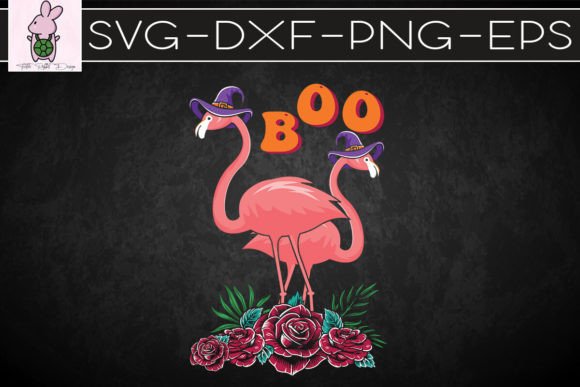
The silhouette is bold but not bulky—a stylized flamingo wearing a tiny ghost cape, with one leg lifted like it’s mid-dance. There’s no fussy linework or micro-details. Instead, you get confident curves, clean outlines, and subtle texture hints (like feather layering implied through satin stitch direction—not actual feathers). It feels like a designer-made machine embroidery design, not a traced PNG scaled up.
That matters because charm alone won’t carry your finished product. Customers notice when stitching looks hesitant or overcrowded—and they *feel* the difference between a rushed digital embroidery file and one that breathes on fabric. Flamingo Boo Halloween breathes.
Where It Shines (and Where It Needs Care)
This design works beautifully on:
- Sweatshirt embroidery—its cup-sized proportions fill a chest area without stretching seams or distorting the fabric’s drape;
- Embroidered patch blanks—clean edges and moderate stitch density mean crisp cutting and stable backing;
- Baby embroidery—soft curves and minimal fine lines reduce snag risk on delicate knit onesies;
- Holiday gifts and boutique merchandise—it’s recognizable, seasonally clear, and has enough personality to stand out in an Etsy listing or craft fair display.
But here’s where attention matters:
- Thin or stretchy fabric: Use cutaway + tear-away stabilizer combo. The ghost cape’s curved edge can pucker if the base fabric shifts—even slightly—during hooping.
- Dark fabric: Test thread contrast early. Some lighter grays or creams in the flamingo’s body may disappear on navy or charcoal unless you adjust thread colors intentionally.
- Curved surfaces (caps, apron pockets): The design’s width fits comfortably within a standard 4” hoop, but avoid placing it too close to seams or brims—those tight corners can distort satin stitch flow.
- Frequent-wash items (kitchen towels, baby blankets): Confirm stitch density isn’t overly dense in the cape or eye area—dense fills can stiffen after repeated laundering.
Real-World Impact on Your Craft Business
If you’re an Etsy seller or small shop owner, Flamingo Boo Halloween adds quiet professionalism to your listings. It’s not “trend-chasing”—it’s timeless enough for October 2025 and still fresh in 2027. That longevity means less seasonal rebranding, fewer mockup updates, and more repeat customers who recognize your style.
I’ve seen handmade product sellers use it as a subtle branding accent—stitched small on the hem of a holiday apron or corner of a pillow cover. It signals care without shouting. And for personalized gifts? It lands perfectly: whimsical but not childish, festive but not kitschy. One customer told me her niece hung the embroidered sweatshirt on her bedroom door “like a real Halloween spirit.” That’s the kind of emotional resonance that drives word-of-mouth—and return orders.
Designer Notes You Can’t Skip
Before you load Flamingo Boo Halloween into your embroidery software or list it in your shop:
- Test on scrap fabric first—especially if using textured weaves (like linen-look tea towels) or brushed fleece. Stitch behavior changes fast.
- Check thread color contrast in both light and dark mockups—not just on screen, but printed. What looks balanced digitally can vanish on black cotton.
- Review stitch density visually. Look for areas where fill stitches might overlap running stitch outlines—this affects clarity on small-scale items like baby caps.
- Confirm hoop size compatibility. While labeled “cup-sized,” verify whether your machine’s default hoop aligns—or if minor resizing preserves proportion and stitch integrity.
- Inspect small details—the ghost’s eye and beak are simple, but they’re the focal point. If those read clearly at 2.5”, they’ll hold up across most apparel and home goods.
- Use proper stabilizer. This isn’t a “lightweight iron-on only” design—it benefits from medium-weight cutaway for structure, especially on knits.
- Confirm licensing terms before selling finished products or bundling Flamingo Boo Halloween as part of a digital embroidery file pack. Crafts and Graphics categories often carry different usage rights.
Final Thought: A Design That Serves the Maker First
Flamingo Boo Halloween doesn’t ask you to work around it. It invites thoughtful placement, honest testing, and intentional pairing—whether you’re stitching a single holiday gift or scaling production for a small shop’s Halloween line. It’s proof that great embroidery design isn’t about complexity; it’s about clarity, confidence, and craft-first thinking.
Use it where joy meets intention—and your customers will feel the difference in every stitch.