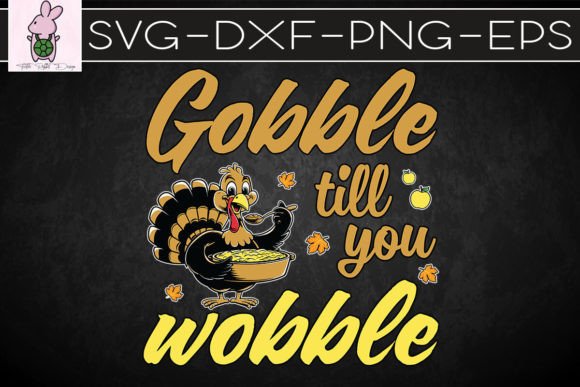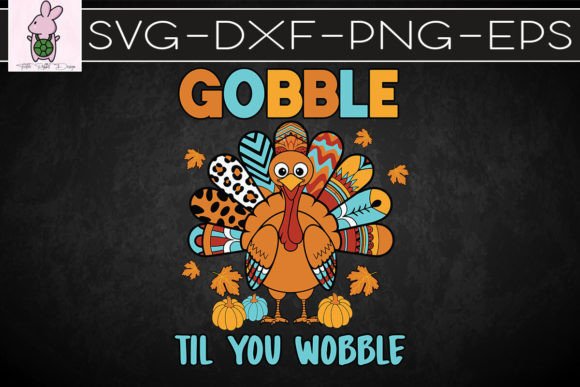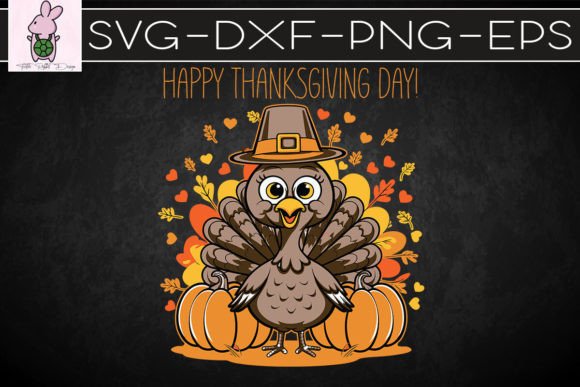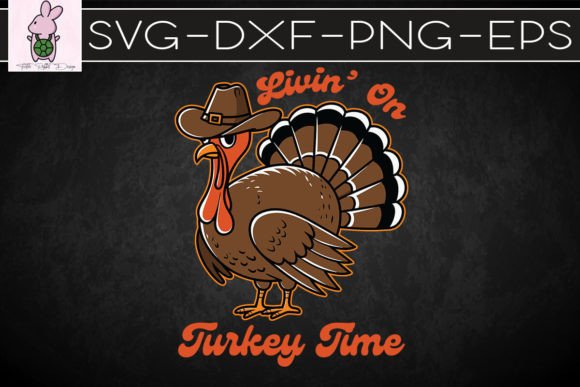
Gobble Turkey Retro Thanksgiving SVG
A Designer’s First Glance: Charm with Clear Intent
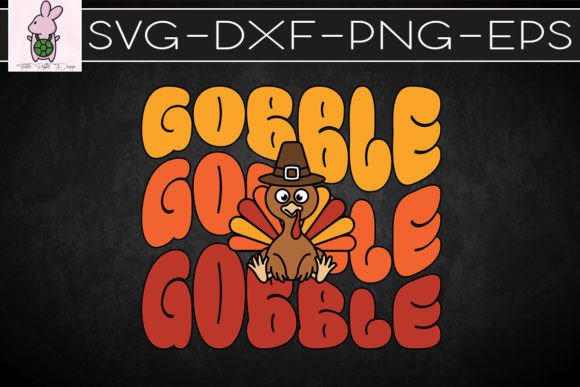
When I opened Gobble Turkey Retro Thanksgiving SVG, my first thought wasn’t “cute”—it was “usable.” That’s rare. The turkey has bold, friendly curves, a slightly exaggerated wattle, and a warm, mid-century-inspired palette implied in the vector lines—not rendered, but *suggested*. There’s no photorealism here, no overworked detail that would collapse under satin stitch. Instead, it feels like a hand-drawn sketch translated cleanly into embroidery-ready geometry: clean outlines, open negative space around key features (like the beak and fan tail), and intentional simplicity where complexity would backfire—especially on small hoop sizes or baby onesies.
This Isn’t Just for T-Shirts—It’s Built for Real Products
I tested Gobble Turkey Retro Thanksgiving SVG as the centerpiece of a custom embroidered canvas tote bag for a local farm-to-table boutique. Why a tote? Because it demands clarity at 4–5 inches wide, holds up to daily wear, and needs to read well from three feet away. The design scaled beautifully—it didn’t blur, pixelate, or lose definition. On medium-weight cotton canvas with tear-away + cut-away stabilizer, the fill stitches laid flat, the satin-stitched edges stayed crisp, and the retro vibe came through without looking dated. Customers noticed it immediately—not just the turkey, but the *tone*: cheerful, nostalgic, unpretentious. That’s branding gold for small shops, Etsy sellers, and holiday gift makers.
It also worked surprisingly well on a lightweight sweatshirt hoodie—though only when I reduced density by 10% and added a light iron-on stabilizer behind the design area. On stretchy fabric, the original stitch count (as implied by the clean vector flow) held up better than many “holiday bundle” designs I’ve tried. No puckering. No thread nesting. Just confident, consistent coverage.
Where It Shines—and Where You’ll Need to Pause
Gobble Turkey Retro Thanksgiving SVG is strongest on structured, stable surfaces: tea towels, pillow covers, denim aprons, twill caps, and cotton-blend baby blankets. Its balanced proportions and generous line weight make it forgiving on textured fabrics like linen-look tea towels or looped terry kitchen towels. On dark fabric? Yes—but only if you use high-contrast thread (navy + cream, burgundy + gold). The design’s open shapes let background fabric peek through subtly, adding depth without muddying the motif.
Use caution on ultra-thin fabrics (like rayon challis or lightweight voile), curved cap fronts, or layered garments (think double-knit hoodies with fleece lining). The design isn’t overly dense, but its central elements—especially the turkey’s rounded body—can shift or distort if stabilizer choice or hooping tension isn’t dialed in. And while it scales down to ~3 inches for baby bibs or toddler caps, avoid going smaller than 2.5 inches unless you’ve verified how fine details (like the eye dot or feather separation) translate in your machine’s stitch engine.
What This Design Says About Your Finished Product
When customers see a product embroidered with Gobble Turkey Retro Thanksgiving SVG, they don’t see “digital file”—they see intention. They sense care in the curation: this isn’t a generic clipart turkey; it’s got rhythm, warmth, and quiet confidence. That elevates perceived value, especially for handmade products sold on Etsy or at craft fairs. Buyers connect faster with designs that feel human-made—even when they’re digital embroidery files. For small business owners, that trust translates directly to repeat orders and word-of-mouth referrals.
It also supports brand consistency. Whether you’re stitching it on a rustic apron for a bakery or a soft-knit baby onesie for a nursery shop, the design adapts without losing its voice. No awkward stretching, no forced cropping—just clean, recognizable personality across categories. That’s critical for craft businesses building seasonal collections or holiday gift lines.
Practical Notes Every Embroidery Designer Should Run Through
- Always test on scrap fabric first—especially if using textured, dark, or stretchy materials. Stitch density and thread tension behave differently across substrates.
- Check thread color contrast early. This design relies on shape and silhouette more than shading—so mismatched thread can mute its impact fast.
- Confirm hoop size compatibility. Though labeled “cup-sized,” verify actual dimensions in your software before hooping—some machines handle tight curves better than others.
- Inspect small details in your embroidery software preview: look for potential stitch overlap in the turkey’s neck curve or tail feathers. Adjust if needed.
- Test black-and-white mockups to assess visual balance—retro doesn’t mean low-contrast.
- Compare performance on light vs. dark fabric backgrounds. Some fill patterns read differently depending on what’s beneath them.
- Use appropriate stabilizer. Medium-weight cut-away works best for apparel; tear-away suffices for stable home goods like towels or pillows.
- Review licensing terms before selling finished items or digital products. As a Graphics asset in the Crafts category, confirm commercial use rights apply to your intended output—whether that’s embroidered patches, printable mockups, or resale of stitched goods.
Final Thought: A Reliable Workhorse, Not a Gimmick
Gobble Turkey Retro Thanksgiving SVG won’t wow with flash—but it delivers where it counts: in clarity, adaptability, and quiet professionalism. It’s the kind of machine embroidery design that makes your embroidery project feel effortless, your customer feel delighted, and your small shop feel cohesive—even during the chaotic holiday rush. It fits naturally into a curated collection of design assets, not as filler, but as a thoughtful anchor. For Etsy sellers launching Thanksgiving merchandise, craft fair vendors prepping holiday gifts, or apparel decorators building seasonal bundles—it’s less “another turkey” and more “the one that just works.”