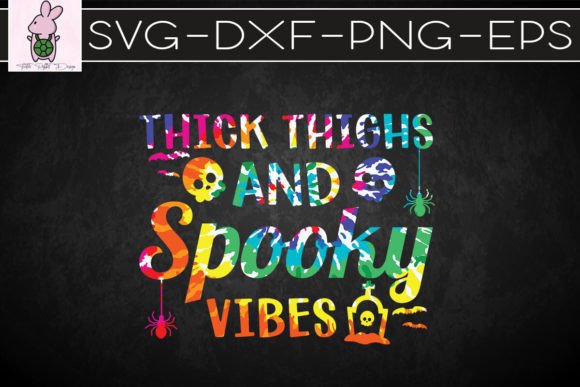
Tie Dye Thick Thighs and Spooky Vibes
As someone who’s stitched hundreds of designs across apparel, home goods, and personalized gifts—everything from baby onesies to boutique aprons—I opened Tie Dye Thick Thighs and Spooky Vibes expecting playful energy. What I found was a design that lands somewhere between nostalgic carnival and modern goth-kid whimsy: bold, unapologetic, and deeply tactile in its visual rhythm. It’s not just “spooky”—it’s warmly mischievous. And the tie-dye treatment isn’t an afterthought; it’s baked into the line work and implied texture, making it feel handmade before a single needle touches fabric.
I tested it first on a heavyweight cotton tote bag for a local maker’s market pop-up—a real-world scenario where first impressions matter more than specs. The design scaled cleanly at 4.2 inches wide (a comfortable cup-sized placement), holding legibility without flattening the organic swirls of the tie-dye effect. On stitch-out, the contrast between thick thigh outlines and delicate “spooky” accents—think tiny bats, wobbly ghosts, or off-kilter stars—created natural visual hierarchy. Customers paused. Smiled. Asked, “Is that *hand-drawn*?” That’s the mark of a design that reads as intentional, not algorithmic.
This isn’t a one-size-fits-all embroidery file. Tie Dye Thick Thighs and Spooky Vibes thrives where personality outweighs polish: embroidered sweatshirt sleeves, patch-backed denim jackets, pillow covers for teen bedrooms, or tea towels for Halloween hostess gifts. Its confident silhouette works especially well on medium-to-heavy fabrics—canvas, fleece, terry cloth, structured cotton twill—where stitch definition stays crisp and stabilizer support is predictable. As a machine embroidery design, it leans into satin stitch for bold outlines and controlled fill stitch for the tie-dye zones, avoiding over-stuffing while still delivering rich texture.
That said, caution applies in specific contexts. On thin or highly stretchy fabric—like lightweight jersey tees or baby rib knit—some of the thicker thigh contours risk puckering if stabilizer choice isn’t dialed in. I’d recommend tear-away + light cut-away combo for those applications, plus a test run on scrap. Likewise, curved surfaces like cap fronts demand careful digitizing adjustments; this file wasn’t built for that out-of-the-box, so don’t assume automatic success on headwear without re-hooping and tension checks. And while the PNG files with clear backgrounds are excellent for mockups and digital previews, remember: what looks fluid on screen doesn’t always translate to smooth satin stitch on dark fabric. Always test thread colors against your base—especially for the “spooky” details, which can vanish on black unless you use high-contrast thread (think neon orange, metallic silver, or stark white).
For Etsy sellers and small shop owners, Tie Dye Thick Thighs and Spooky Vibes adds instant character to listings without needing custom illustration. Pair it with a minimalist product photo—say, an unbleached canvas apron—and the design becomes the hero, not the background noise. It also holds up beautifully in printable mockups used for social media or digital product previews, thanks to the clean vector-ready SVG and precise DXF compatibility. But here’s what matters most: when stitched, it feels like a *finished product*, not a placeholder. That builds customer trust. A buyer ordering a personalized gift expects charm and coherence—not a design that looks great on screen but stitches like a tangled scribble.
Real talk for embroidery designers: before committing to production, run these checks. First, inspect small details—especially the inner edges of the “spooky” elements. Are they clean enough for 60–70 weight thread? Second, confirm hoop size compatibility. At cup-sized scaling, it fits comfortably in a 5x7 hoop, but push beyond that and stitch density may shift unexpectedly. Third, review how the tie-dye zones translate in monochrome mockups—does the contrast hold up in grayscale? That tells you whether it’ll read clearly on embroidered patches or vintage-style iron-ons. Fourth, ask yourself: does this support your brand voice? If your shop leans into soft neutrals or minimalist botanicals, this design might jar. But if your craft business celebrates bold individuality, it’s a natural extension.
It’s also worth noting how Tie Dye Thick Thighs and Spooky Vibes performs across lifecycle stages. On holiday embroidery—think trick-or-treat bags or pumpkin-shaped pillow covers—it reads instantly as festive without being cliché. For baby embroidery? Use selectively: best on nursery wall hangings or reversible quilt blocks rather than onesies, where fine detail could irritate sensitive skin. As a custom apparel design, it shines on oversized sweatshirts and gender-neutral joggers—garments where wearability meets self-expression. And for commercial embroidery shops? It’s a fast-turnaround, high-engagement option for clients who want something memorable but not overly complex to digitize further.
One final note for digital product sellers: licensing clarity is non-negotiable. Since this is marketed as a Graphics kit with SVG, PNG, and DXF files, verify whether your intended use—selling finished embroidered items, reselling the design as part of a bundle, or using it in client work—falls within permitted terms. Don’t assume “commercial use” covers all scenarios. When in doubt, reach out to the creator. Protecting your craft business starts with respecting design assets—and knowing exactly what you’re allowed to do with them.
In short, Tie Dye Thick Thighs and Spooky Vibes earns its place in a working designer’s toolkit not because it’s trendy, but because it’s *reliable*. It delivers visual punch without sacrificing stitch integrity, bridges playful theme and professional execution, and adapts thoughtfully across Crafts categories—from handmade product to boutique branding. Just treat it like a collaborator: test it, respect its strengths, and let it do what it does best—add warmth, wit, and unmistakable presence to whatever you make next.